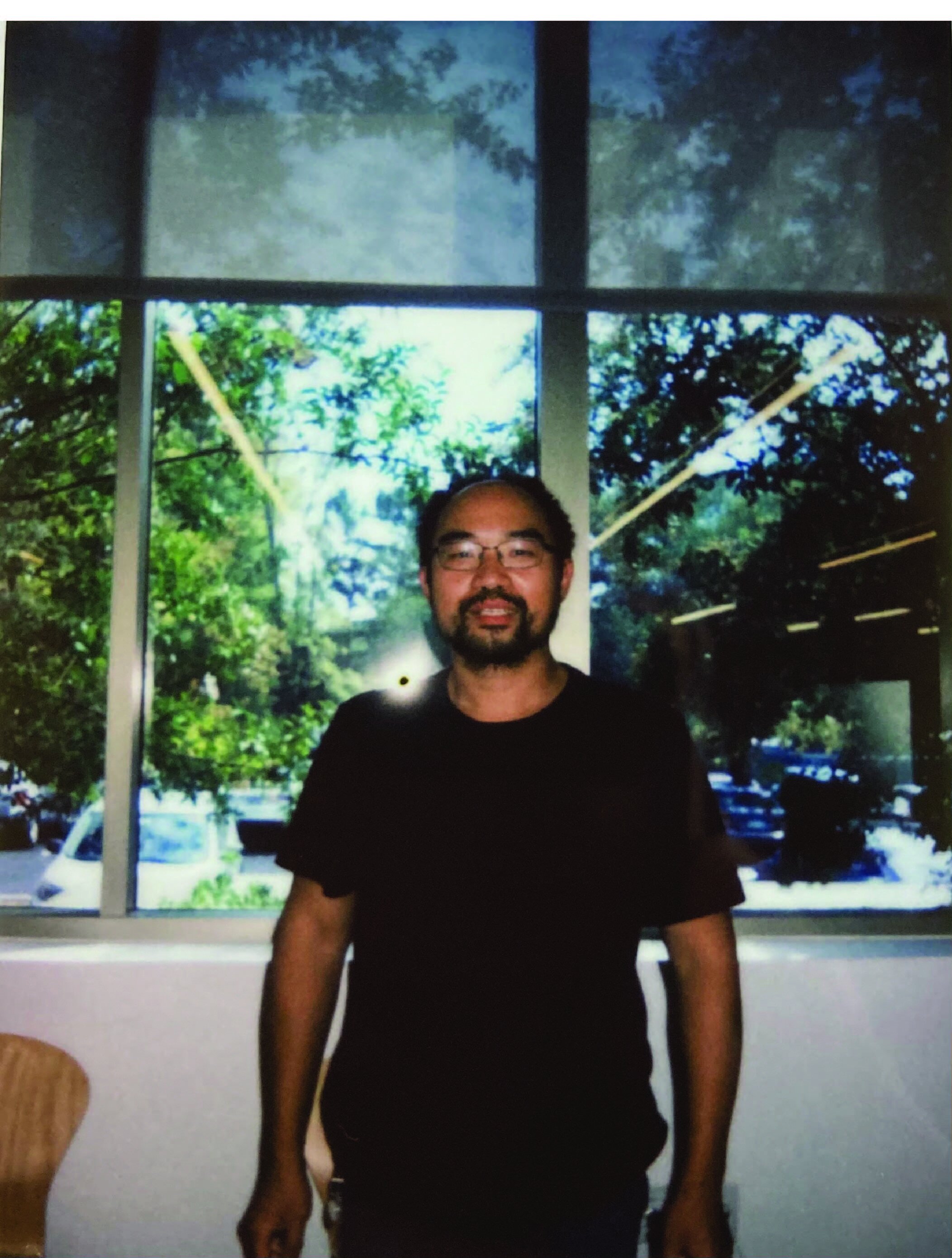
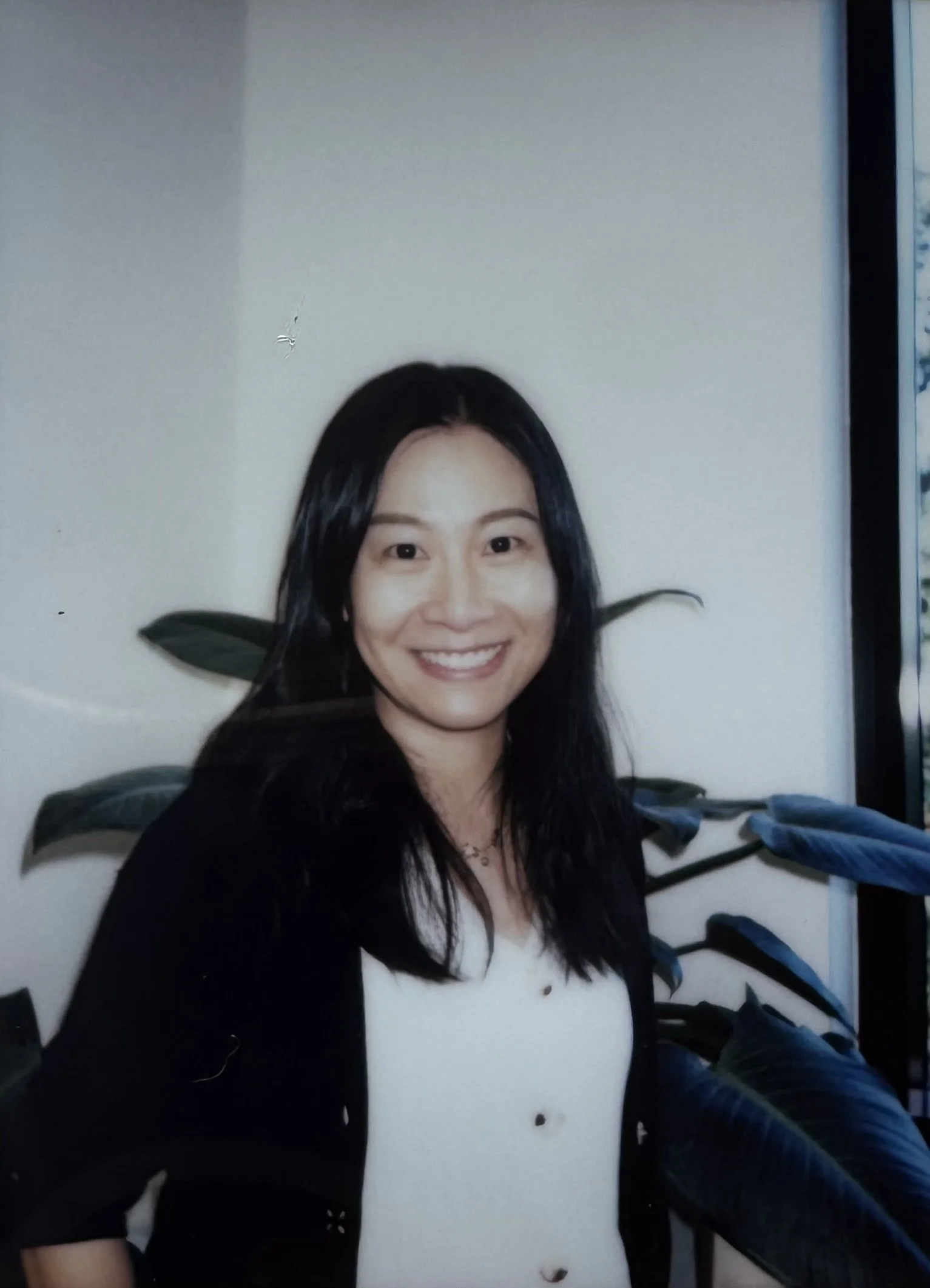


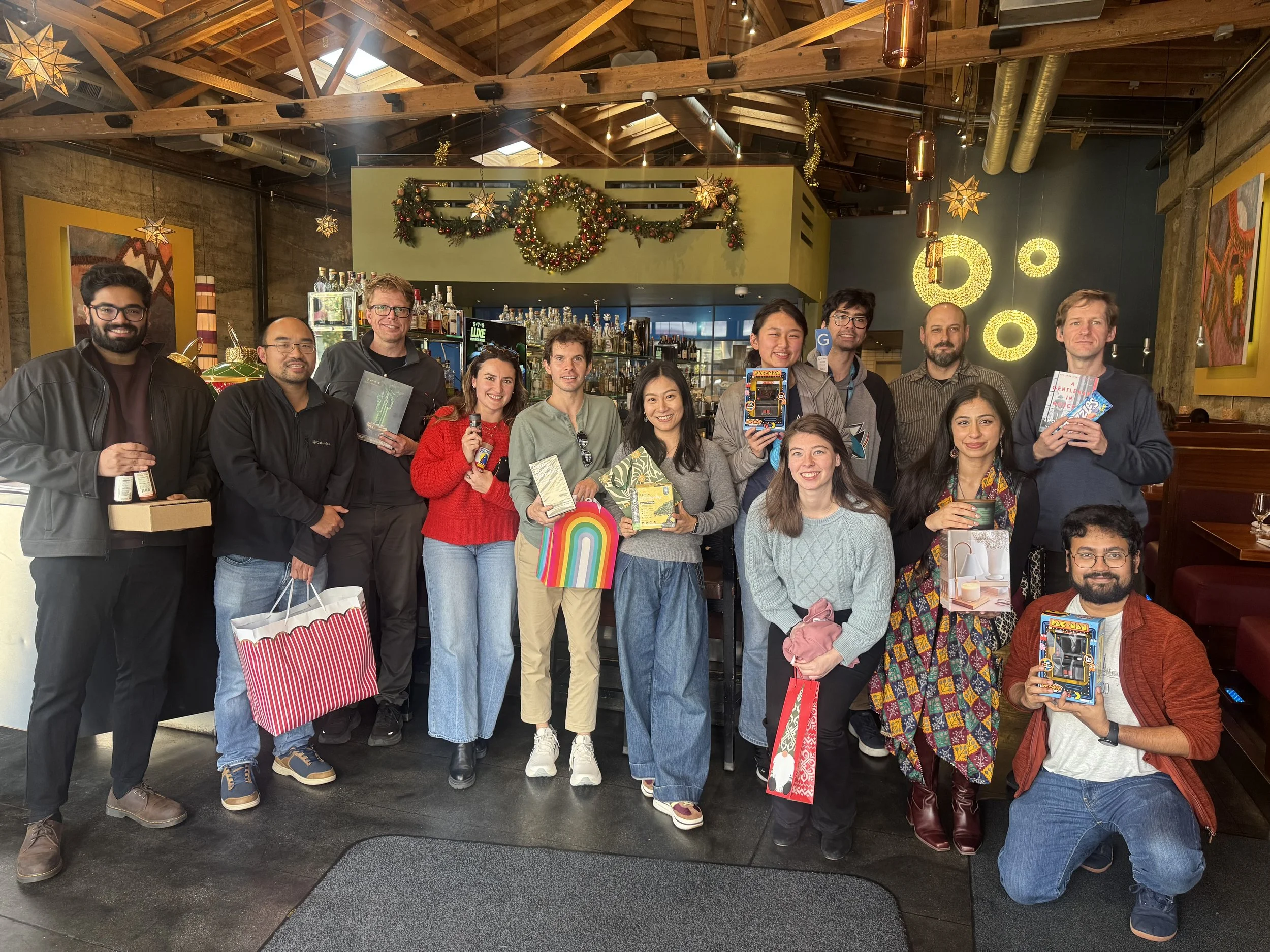
Team
Our People

Scientists & Postdocs

Sarah Hsu
Fellow
Graduate Students
Staff

Mandy Sun
Lab Technician
Research
We are a synthetic biology and functional genomics lab. We build new CRISPR tools to read and write the genome and epigenome, use them at genome scale to learn how genes are regulated and how they interact, and apply what we learn across human biology and disease — from immune cells to cancer.
We build and refine CRISPR tools — CRISPRi, CRISPRa, and CRISPRoff/CRISPRon — to switch genes on and off and write heritable epigenetic memory, all without cutting DNA.
We engineer new Cas enzymes and platforms, including a multiplexing-capable Cas12a that enables higher-order, combinatorial chromatin perturbations.
We screen large combinatorial libraries of dCas9–effector fusions to discover new transcriptional regulators and map the biochemistry that controls gene expression at a locus.
Genome-scale pooled and single-cell (Perturb-seq) screens, plus pairwise genetic-interaction maps, let us read gene function and epistasis across the genome.
We use these tools to program primary human T cells for next-generation cell therapies and to study cell fate, development, and epigenetic inheritance — not only disease.
We model why some patients respond to therapy and others do not, across prostate cancer, hematopoietic malignancies, glioblastoma, and lung cancer.
Team
Publications
An all-RNA CRISPRoff/CRISPRon platform durably switches genes off and on in primary human T cells without cutting DNA — improving engineered CAR-T cells.
A genome-scale CRISPRi screen pinpoints PTGES3 as a direct regulator of androgen-receptor stability and a candidate drug target in therapy-resistant prostate cancer.
An engineered Cas12a lets a single cell silence up to six genomic sites at once, enabling higher-order combinatorial CRISPRi screens of regulatory elements.
CRISPRoff — a single dead-Cas9 fusion that writes DNA methylation and repressive marks — creates heritable gene silencing from a transient pulse, maintained through cell division and differentiation.
The foundational work establishing CRISPRi and CRISPRa: catalytically dead Cas9 represses or activates endogenous genes across a ~1,000-fold range, genome-wide.
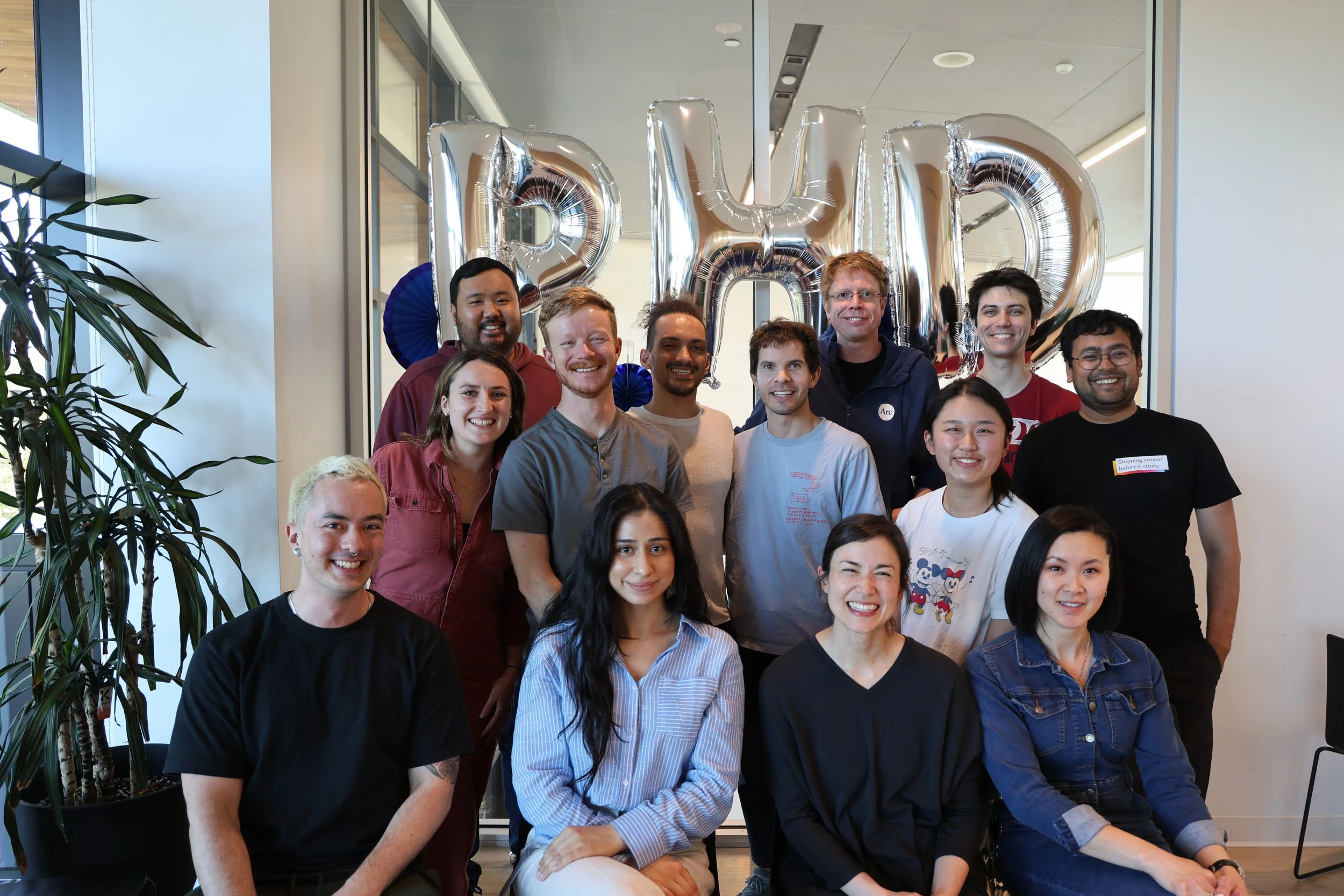
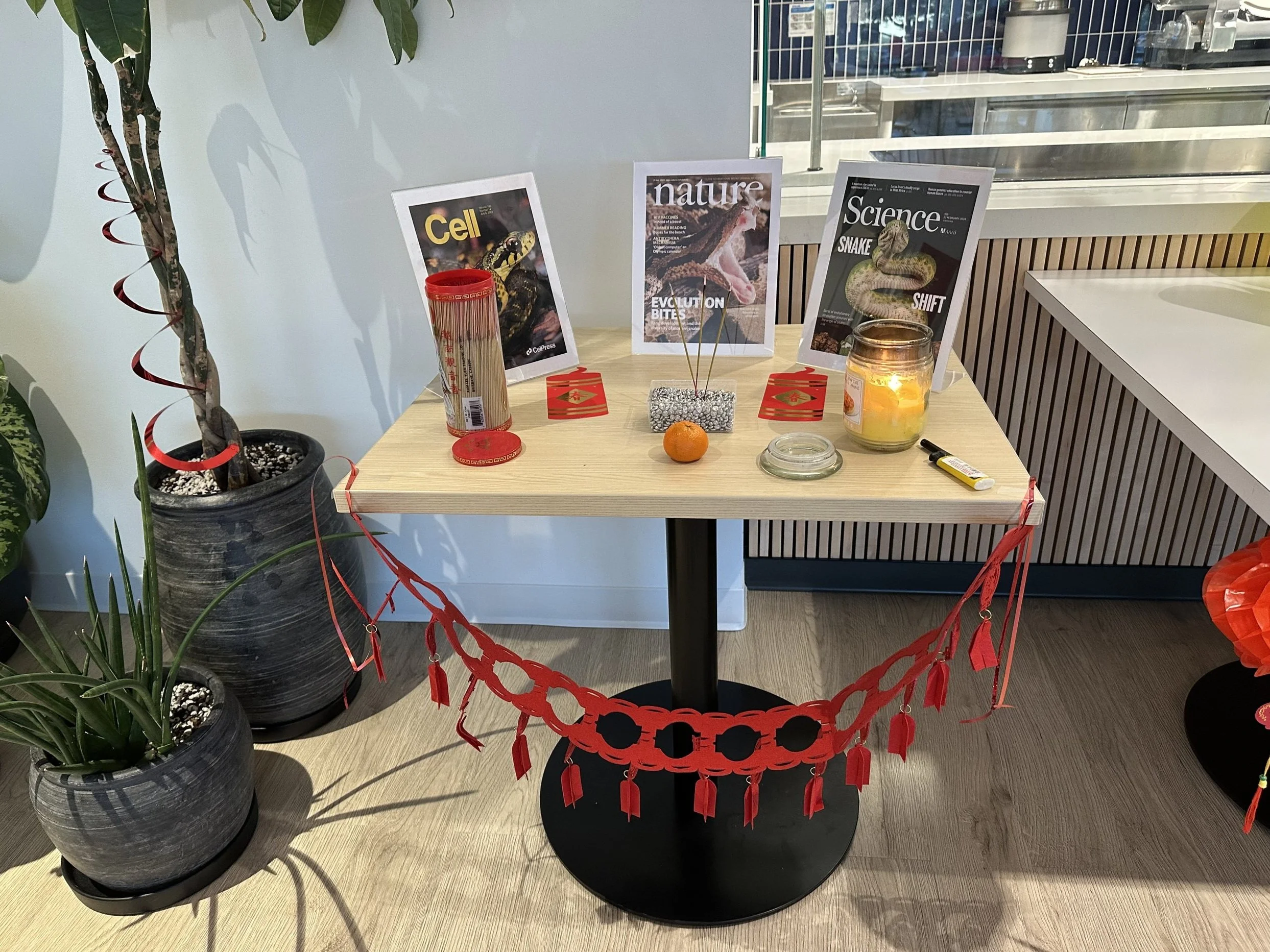
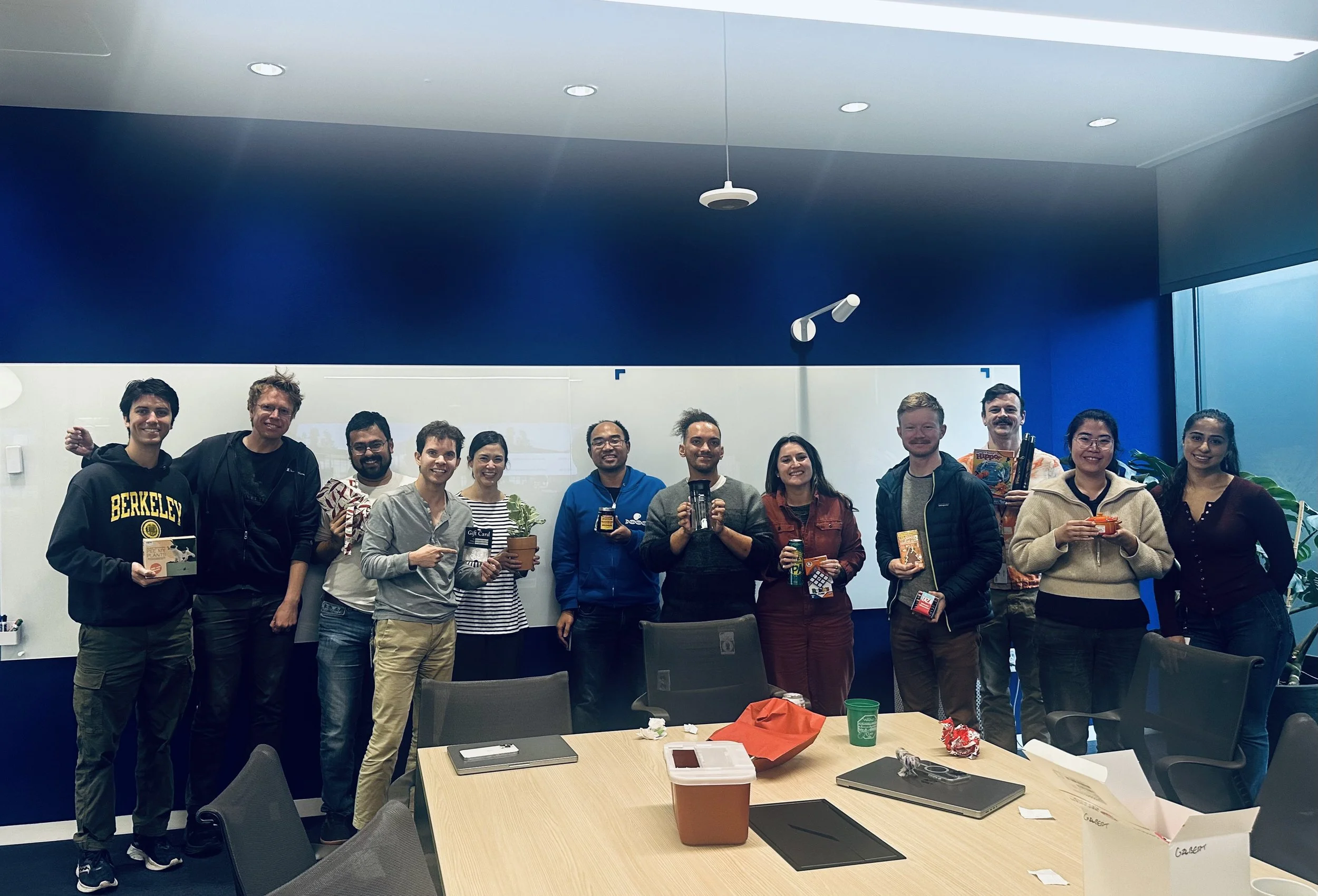
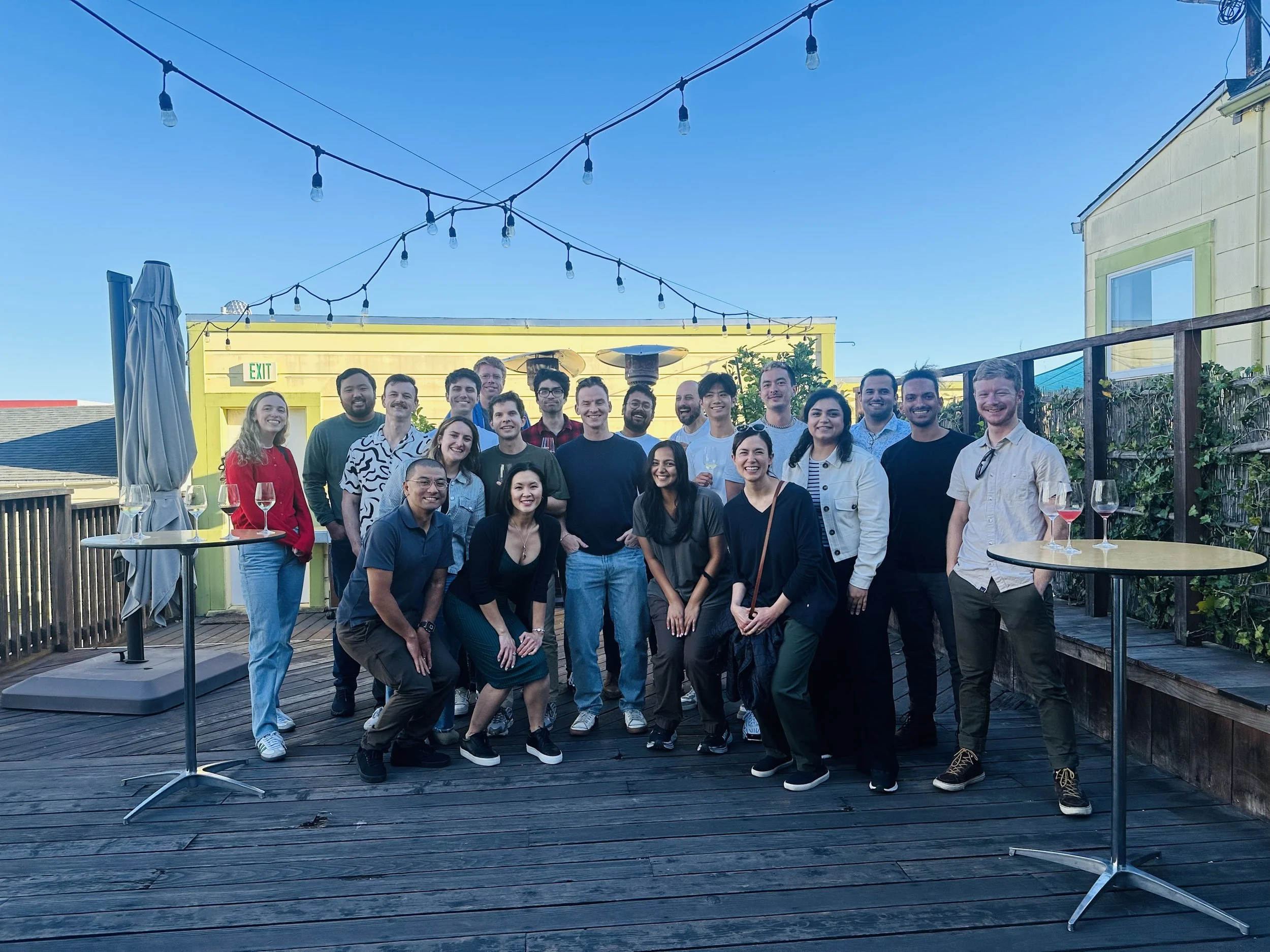
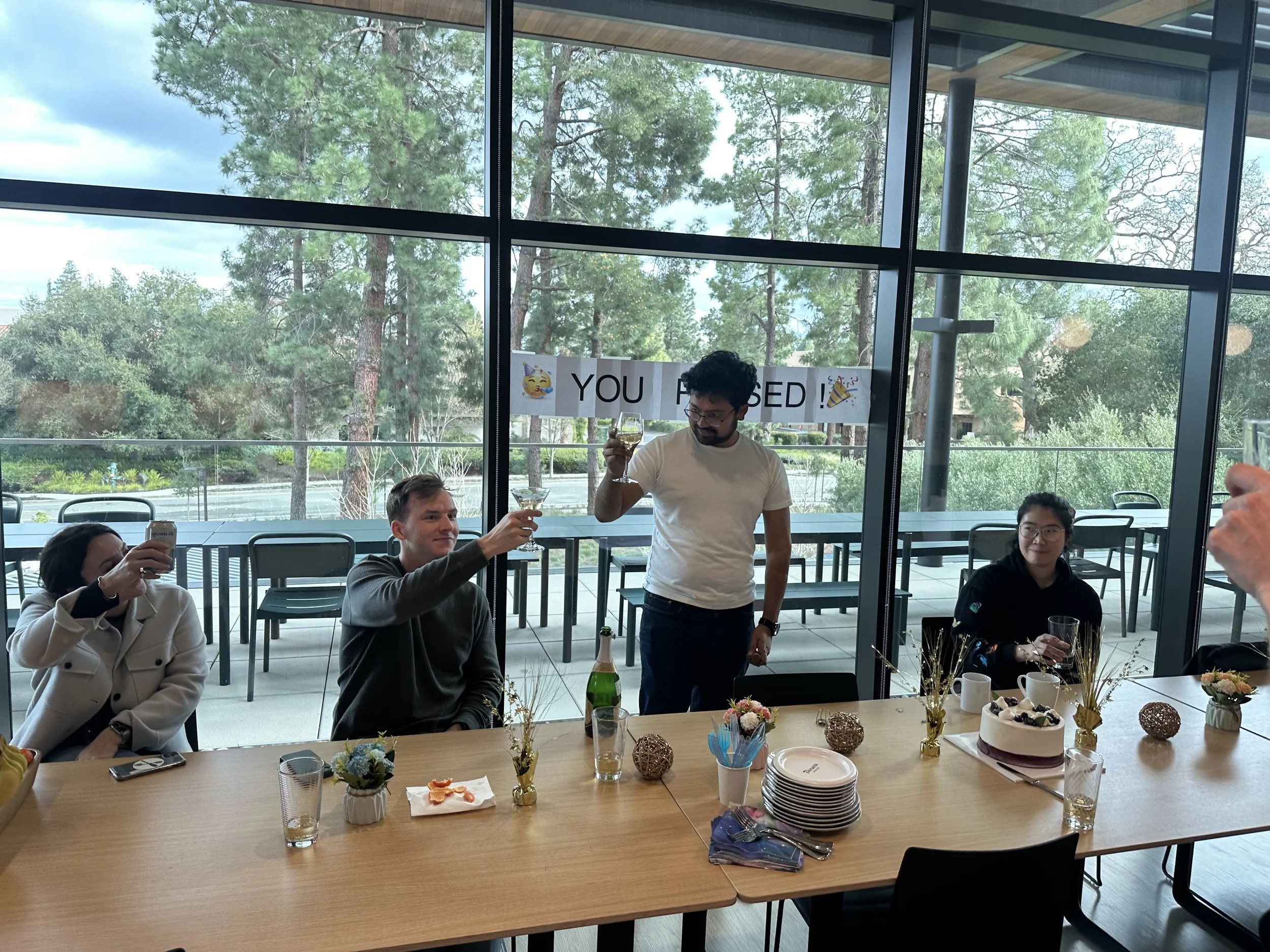
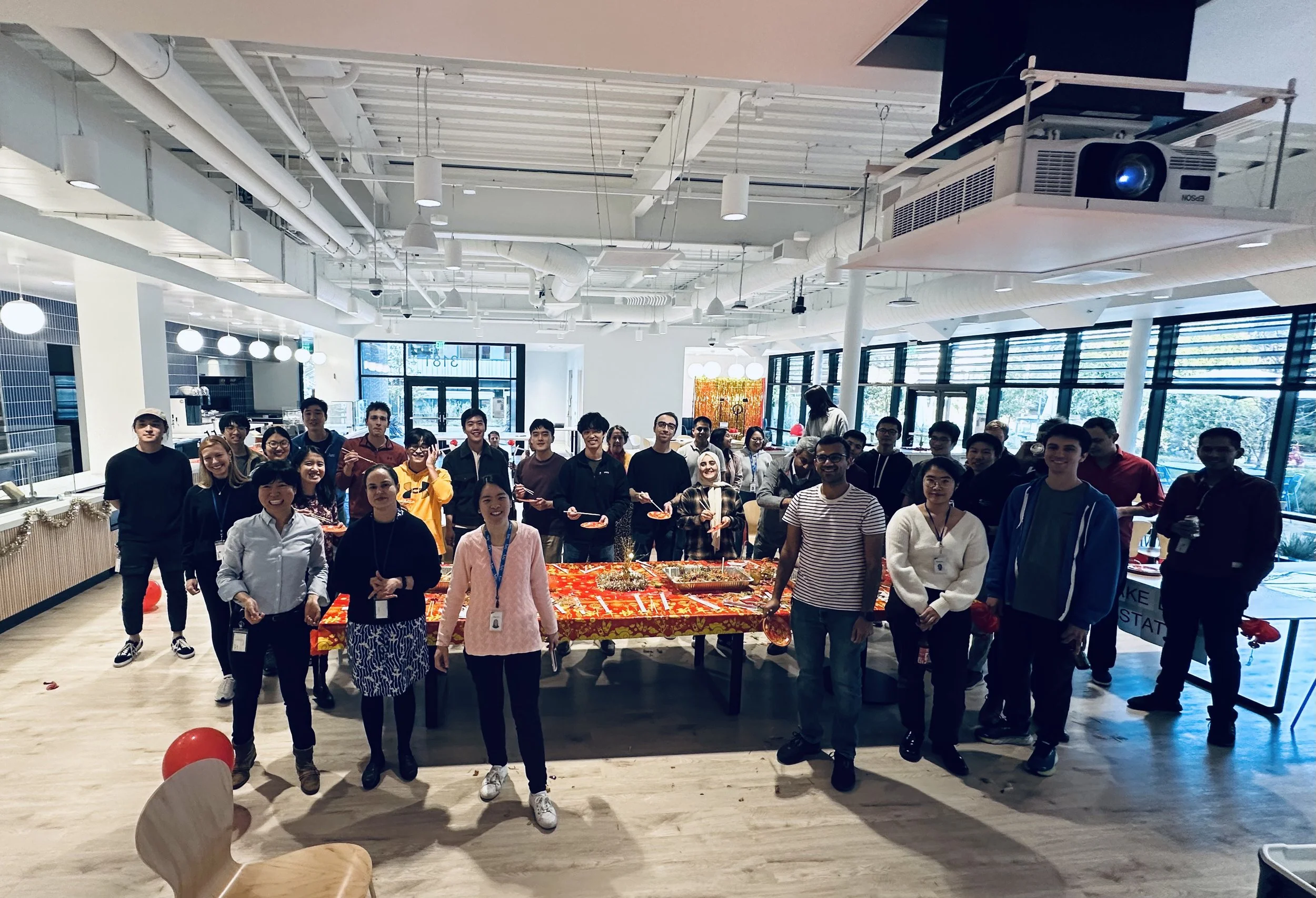
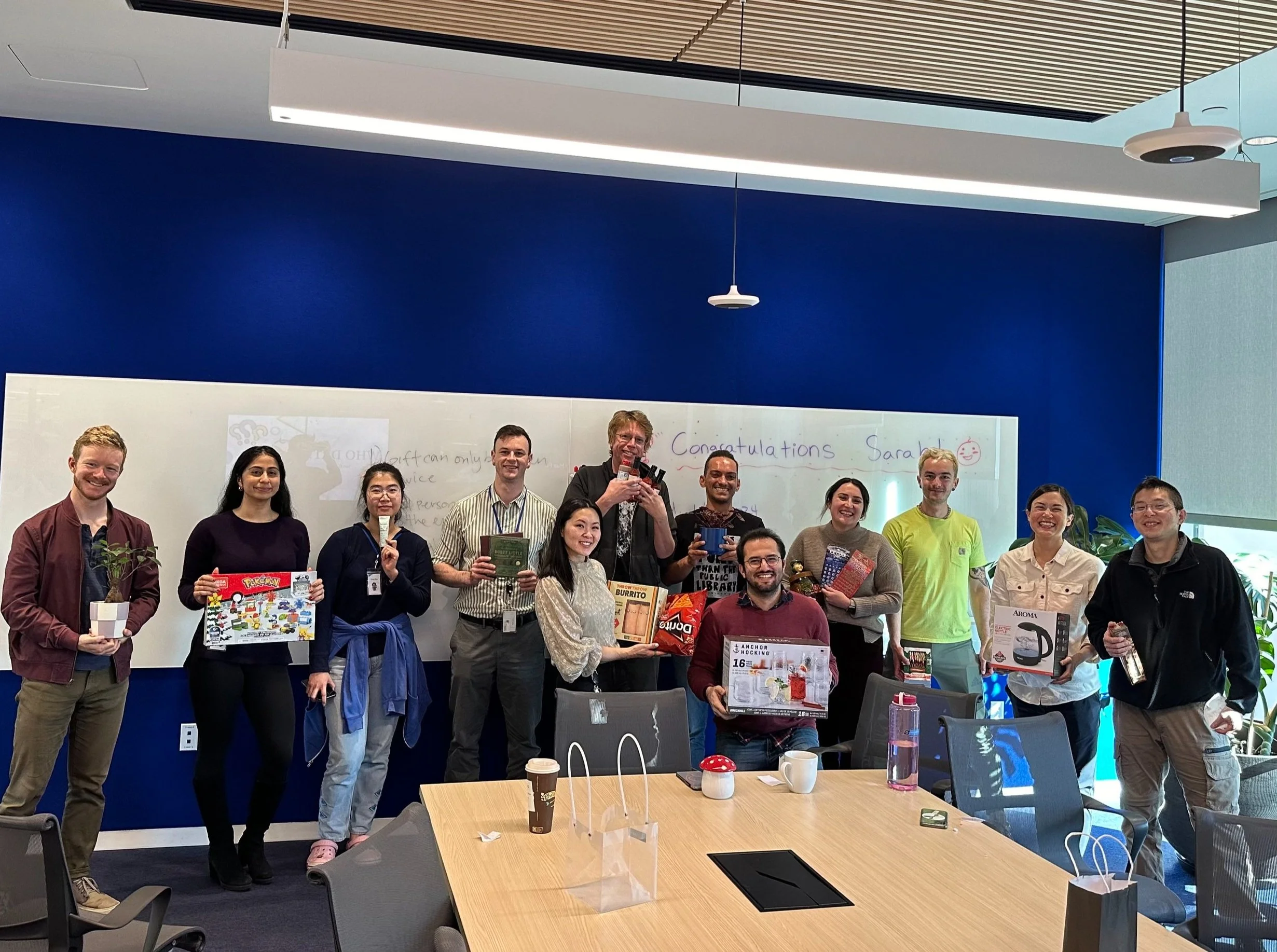
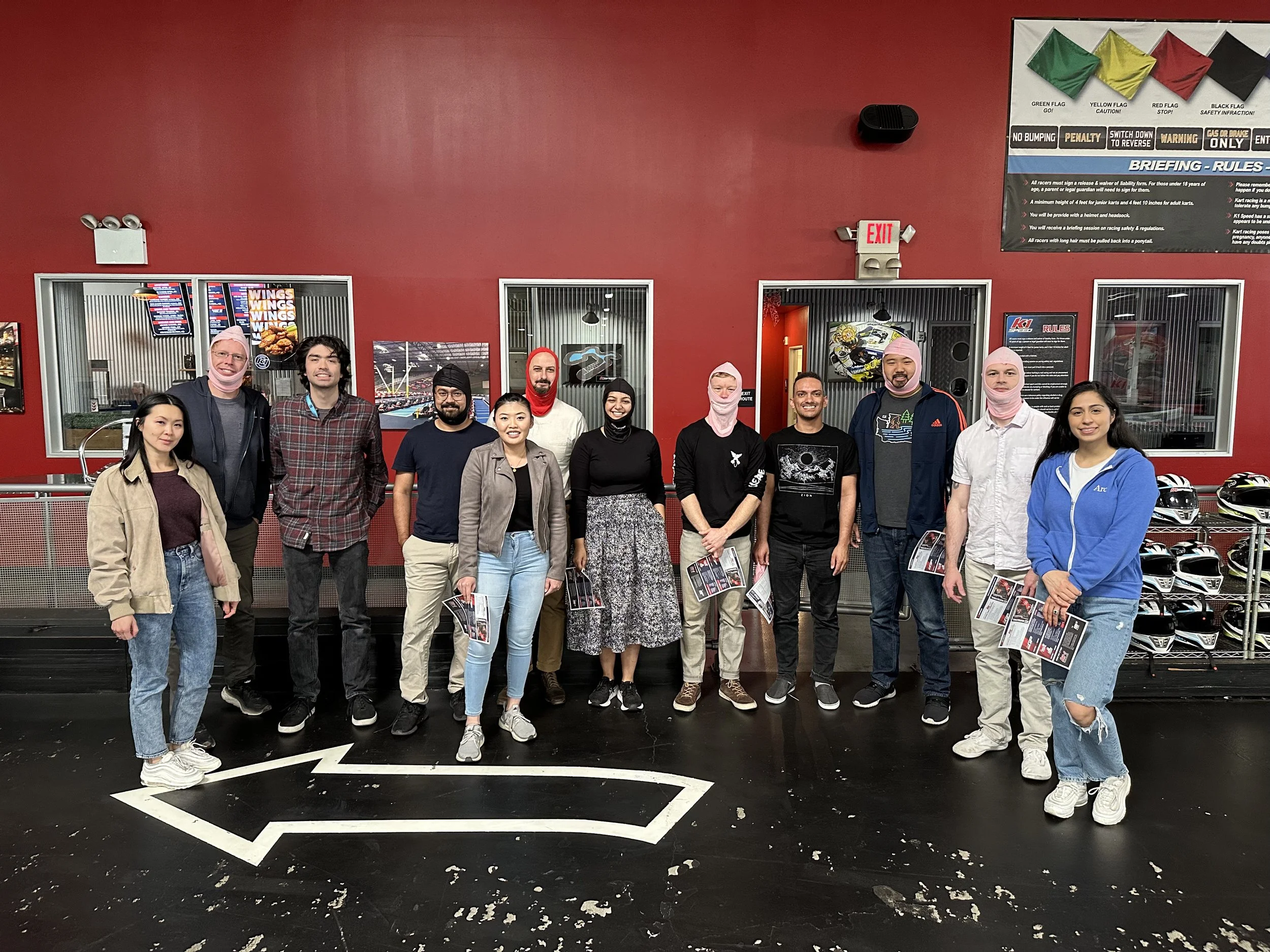
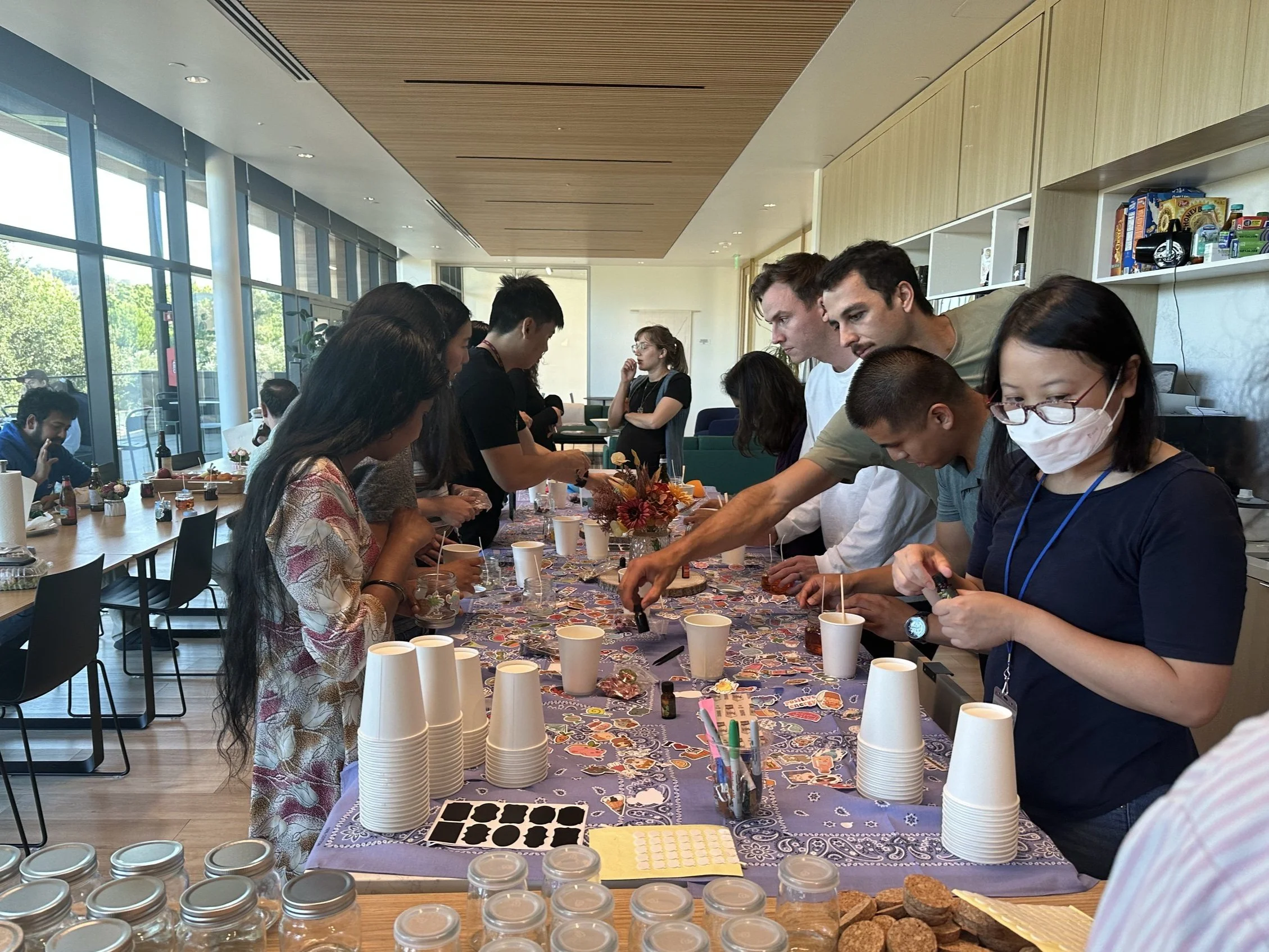
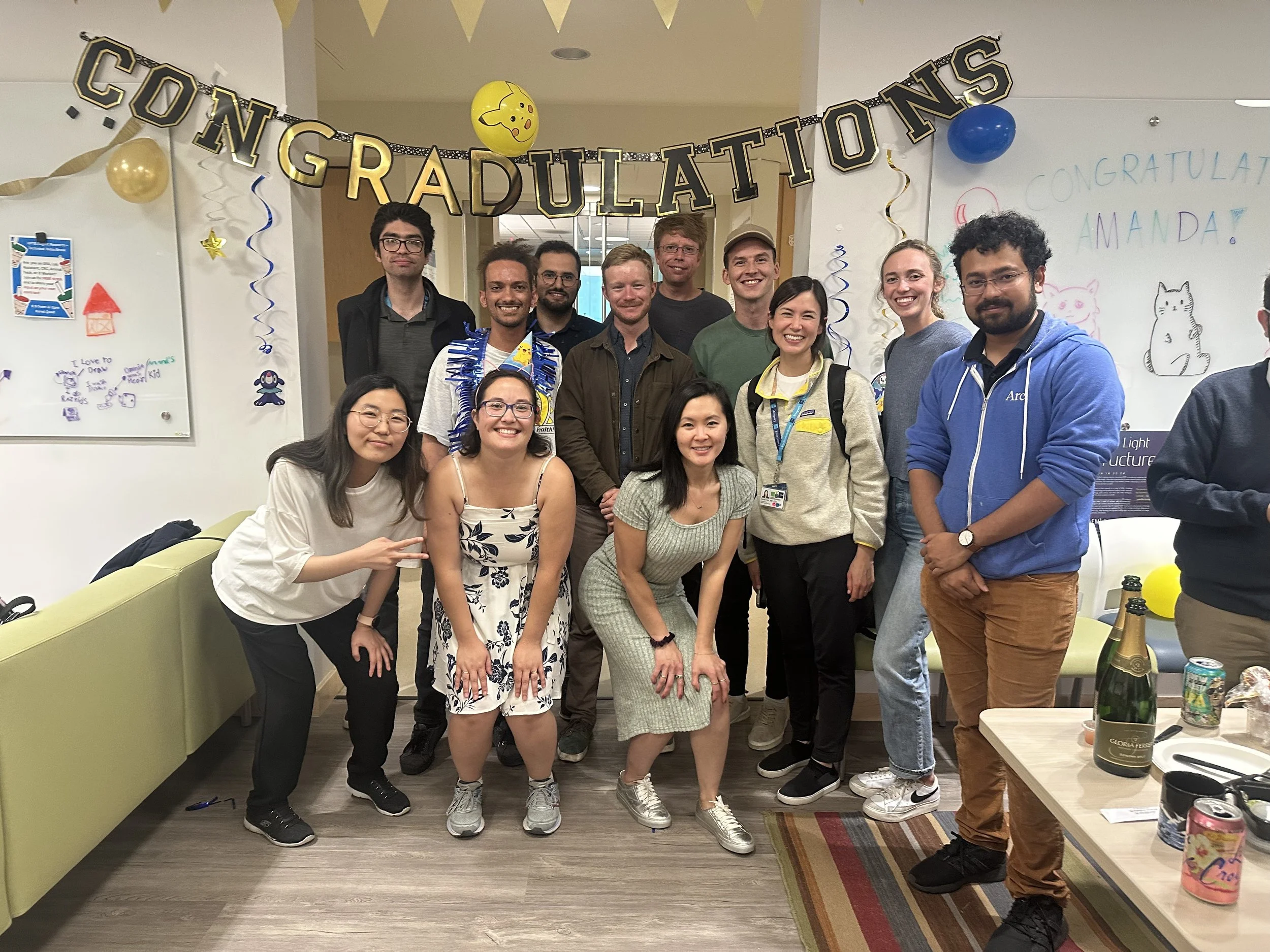
Lab Life
Resources
Primer on establishing stable CRISPR interference and activation cell lines.
Weissman Lab →Cloning pooled CRISPRi/a sgRNA libraries for genome-scale screens.
Weissman Lab →Annealing-based protocol for cloning individual sgRNAs.
Weissman Lab →Producing lentivirus at the scale needed for pooled screening.
Weissman Lab →Screening guidelines and an example infection protocol for suspension cells.
Weissman Lab →Screening guidelines and an example infection protocol for adherent cells.
Weissman Lab →Preparing Illumina sequencing samples following a pooled CRISPR screen.
Weissman Lab →Analysis pipeline for pooled CRISPRi/a screens (Horlbeck et al.).
GitHub →Full index of Weissman Lab CRISPRi/a protocols, adapter sequences, and templates.
Weissman Lab →Code, tools, and computational resources from the Gilbert Lab.
View on GitHub →Alumni
Join Us
We're looking for motivated postdocs, graduate students, and research associates to join our team.
Get in Touch